剛完成一本重要的新約書卷,我想寫下一些關於我如何組織工作流程的想法。我在主題中寫了「最佳實務」,因為這是一個廣為人知的詞語,而且「相當不錯但可能還能改進的做法」佔了太多空間。我希望隨著時間推移,其他人在這裡也能做類似的事情,這樣我們就能從彼此那裡獲得提高效率的好點子。
這一切發生在書卷大致排版完成之後,我剩下的唯一任務就是逐頁檢查,確保每一行的結尾都在頁面底部。這是一個需要花費數小時但極度重複的步驟——非常適合進行流程優化!
- 我沒有在 PTXprint 中開啟 Changes.txt 檔案——如果你在 PTXprint 中開啟它,同時又在外部開啟,每次修改後你都必須重新整理(Refresh)。但透過這樣做,我可以在外部編輯它,而無需重新整理。
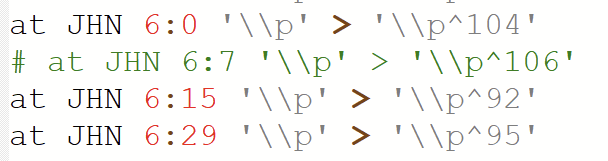
- 我在 Notepad++ 中開啟了 Changes.txt。然後我將「語言」更改為「Shell」。這(顯然)並不是一個真正的 shell 文件,但它使用 # 註解符號,因此這種視覺化、色彩豐富的標記非常有用。
- 為了在不關閉其他程式的情況下隔離我的工作環境,我將三樣東西移動到了一個新的 Windows 桌面:Notepad++、PTXprint 和 Sumatra。
- 每次我想添加新的更改時——我 95% 的更改只是使用 p^95 系統來縮小和拉伸段落——我會在 Notepad++ 中按下 Ctrl-d 來添加一行(我也使用了很多其他快捷鍵,但我建議你根據需要線上查找它們。Ctrl-l(就像 llama 中的 l)刪除一行,等等。)
- 我使用 Ctrl-方向鍵來整詞左右移動,而不是逐字移動。
- 我使用 Alt-Tab 在程式之間切換,並在 PTXprint 中使用 Ctrl-P 列印。我的目標是幾乎從不觸碰滑鼠或觸控板,而且我幾乎總是能做到這一點。
- 我在 Sumatra 中使用「書籍檢視」(Book View),以便我能像書本打開一樣看到跨頁。
- 我一次只處理一本書,這樣我就不必等待整個新約編譯完成。當我開始一本書時,我只列印前 5 章左右。如果在我到達範圍末尾後需要更多,我會添加(例如「MAT 1-10」),如果某一章恰好從奇數頁的頂部開始,我會讓後續的執行從那裡開始(例如,如果第 6 章從奇數頁開始,那麼我只列印「MAT 6-11」)。
- 如果必要,我會在書的末尾使用 Changes.txt 添加一個空白頁,以便每本書的頁數總是偶數。這意味著新書總是從奇數頁的開始處開始(你需要決定是否願意有時出現空白頁)。
- 我訓練我的妻子也做這些工作中的大部分,這為我節省了數小時

- 在我寫這些內容時,另一個想法浮現了!很可能下次我做這件事時,我會將 PTXprint 命令列呼叫添加到 Notepad++ 的巨集系統中,這樣我就可以從 Notepad++ 使用快捷鍵列印檔案,而完全不需要開啟 PTXprint。
Having just finished a major NT volume, I thought I’d write up some thoughts on how I organized workflow. I wrote “best practices” in the topic because that’s a well known phrase, and because “pretty good practices which could probably be improved upon” took too much space. I’m hoping over time that other people do similar things here, so that we can get good ideas for efficiency from each other.
This all takes place after the book was more or less laid out, and my one remaining task was to go through each page and make sure the lines ended at the bottom of the page. This is a step which takes many hours but is extremely repetitive–a great recipe for streamlining!
- I didn’t open the Changes.txt file within PTXprint–if you open it in PTXprint and also externally, you have to Refresh after each change. But by doing this I can edit it externally without needing to refresh.
- I opened Changes.txt in Notepad++. I then changed the “language” to “Shell”. It’s (obviously) not actually a shell document, but it uses # comment characters and so the visual, colorful markup is very helpful.
- In order to isolate my work environment without closing other programs, I moved three things to a new Windows desktop: Notepad++, PTXprint, and Sumatra.
- Each time I wanted to add a new change–95% of my changes were simply using the p^95 system to shrink and stretch paragraphs–I hit Ctrl-d in Notepad++ to add a line (I also used lots of other keycommands, but I’d recommend looking them up online as you need them. Ctrl-l (as in llama) deletes a line, etc.)
- I used Ctrl-arrow keys to move left and right full works instead of single characters.
- I used Alt-Tab to switch between programs, and Ctrl-P to print in PTXprint. My goal was to never touch the mouse or touchpad, and I could get by with that almost always.
- I used Book View in Sumatra so that I could see the spread as if the book were open.
- I worked on one book at a time, so I wouldn’t have to wait for the entire NT to compile, and when I started a book, I would only print the first 5 or so chapters. If needed after I got to the end of my range, I’d add (so “MAT 1-10”) and if a chapter ever happen to start at the top of an odd page, I would have future runs start from there (so, if ch.6 started an odd page, I would then only print “MAT 6-11”).
- If necessary at the end of books I’d use Changes.txt to add a blank page, so that books were always even numbers of pages long. This meant that new books always start at the beginning of an odd page (you’ll have to decide if you’re willing to have blank pages sometimes).
- I trained my wife to do much of this also, which saved me hours
- As I’ve been writing this up, another idea has come to me! Likely next time I do this I’ll add PTXprint command line call to Notepad++'s macro system, so that I can print the file with a key command from Notepad++ and won’t need to have PTXprint open at all.
機器翻譯自 English








